
Early Recognition Can Change a Patient’s Life
Lymphedema affects millions of individuals worldwide, yet it remains one of the most underrecognized and underdiagnosed chronic conditions in healthcare. Whether resulting from cancer treatment, surgery, trauma, venous disease, or primary lymphatic dysfunction, untreated lymphedema can progressively worsen, leading to pain, recurrent infections, impaired mobility, and a significant decline in quality of life.
The encouraging news is that early identification and intervention can dramatically improve patient outcomes. As healthcare providers, recognizing the early warning signs of lymphedema allows us to intervene before irreversible tissue changes develop.
Here are seven clinical signs that may indicate your patient has lymphedema and should be referred to a Certified Lymphedema Therapist (CLT).
1. Persistent Swelling
One of the earliest and most recognizable signs of lymphedema is swelling that does not completely resolve with elevation or overnight rest.
Patients often report:
● A feeling that one limb is larger than the other
● Rings, watches, or shoes fitting tighter than usual
● Clothing feeling tighter on one side
● Swelling that gradually worsens throughout the day
Unlike temporary edema, lymphedema tends to persist and gradually progress if left untreated.
Clinical Tip: Compare limb circumference bilaterally and ask patients when they first noticed the swelling and whether it fluctuates throughout the day.
2. Positive Stemmer Sign
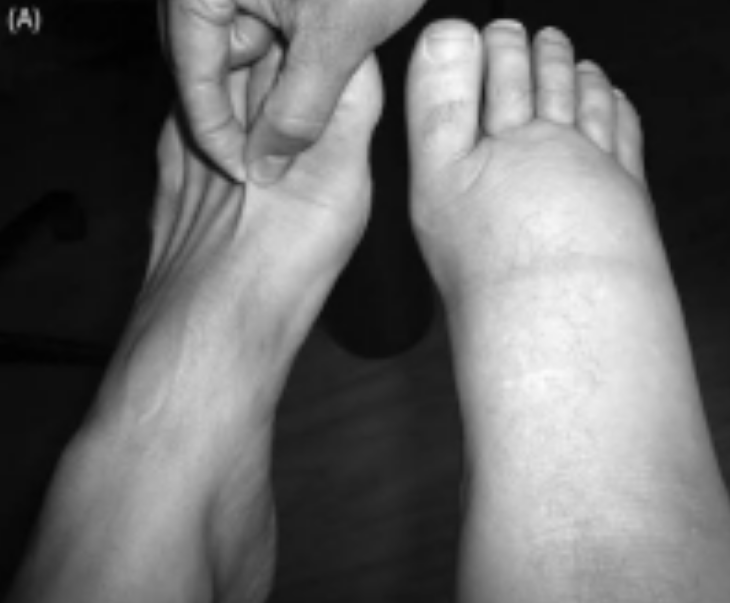
The Stemmer Sign is one of the most useful clinical tests for identifying lymphedema.
To perform the test, gently attempt to lift a fold of skin at the base of the second toe or second finger.
A positive Stemmer Sign occurs when the skin cannot be lifted because it has become thickened or fibrotic.
While not every patient with lymphedema will have a positive Stemmer Sign, a positive finding is highly suggestive of lymphatic dysfunction.
3. History of Cancer Treatment
Any patient with a history of cancer treatment should be routinely screened for lymphedema. Common risk factors include:
● Lymph node removal
● Radiation therapy
● Breast cancer treatment
● Gynecologic cancer
● Melanoma
● Prostate cancer
● Head and neck cancer
Importantly, lymphedema can develop months—or even years—after treatment. Patients may incorrectly assume they are “in the clear” simply because swelling did not occur immediately after surgery or radiation.
Routine surveillance is one of the most effective ways to detect lymphedema early.
4. Skin Changes
As lymphedema progresses, chronic protein-rich fluid accumulation causes noticeable changes within the skin and underlying tissues.
Watch for:
● Thickened skin
● Fibrosis or hardening of tissue
● Dry, flaky skin
● Hyperkeratosis
● Papillomas
● Deep skin folds
● Difficulty pinching the skin
These findings often indicate more advanced disease and highlight the need for specialized intervention.
5. A Feeling of Heaviness or Tightness
Many patients experience symptoms before visible swelling becomes obvious. They commonly describe:
● A feeling of heaviness
● Tightness
● Fullness
● Fatigue of the affected limb
● Reduced flexibility
● Aching or discomfort
These subjective complaints should never be dismissed, particularly in individuals with known risk factors.
6. Recurrent Cellulitis
Repeated episodes of cellulitis are often both a complication and a warning sign of underlying lymphatic dysfunction.
Patients with impaired lymphatic drainage are more susceptible to bacterial infections because the lymphatic system plays a vital role in immune surveillance.
If a patient has experienced multiple episodes of cellulitis involving the same limb, underlying lymphedema should be strongly considered.
Early treatment may help reduce the frequency of recurrent infections.
7. Limb Asymmetry
Compare the involved limb with the unaffected side.
Look for differences in:
● Limb circumference
● Tissue texture
● Skin appearance
● Anatomical contours
● Hand or foot size
Even subtle asymmetry may represent early-stage lymphedema.
Patients frequently notice these changes before objective measurements reveal significant volume differences, making their observations an important part of the clinical evaluation.
Why Early Referral Matters
Lymphedema is a progressive condition, but it is highly manageable when identified early.
Timely referral to a Certified Lymphedema Therapist allows patients to receive comprehensive evaluation and evidence-based treatment, including Complete Decongestive Therapy (CDT), Manual Lymphatic Drainage (MLD), compression therapy, therapeutic exercise, and patient education.
Early intervention can:
● Slow or prevent disease progression
● Reduce swelling
● Improve mobility and function
● Lower the risk of recurrent cellulitis
● Improve quality of life
Continue Your Lymphedema Education
Recognizing the signs of lymphedema is the first step toward improving patient outcomes. Healthcare professionals who understand lymphatic disorders are uniquely positioned to make a lasting difference in the lives of their patients.
At the American Academy of Lymphatic and Wound Management (AALWM), we provide comprehensive education designed to prepare clinicians to confidently evaluate and treat patients with lymphedema using evidence-based techniques.
Whether you’re a physical therapist, occupational therapist, physician, nurse, physical therapist assistant, occupational therapy assistant, or another qualified healthcare professional, our Certified Lymphedema Therapist (CLT) program provides the knowledge and hands-on training needed to deliver exceptional care.
Ready to advance your clinical skills?
Explore our upcoming Certified Lymphedema Therapist (CLT) courses and take the next step toward becoming a lymphedema specialist.